

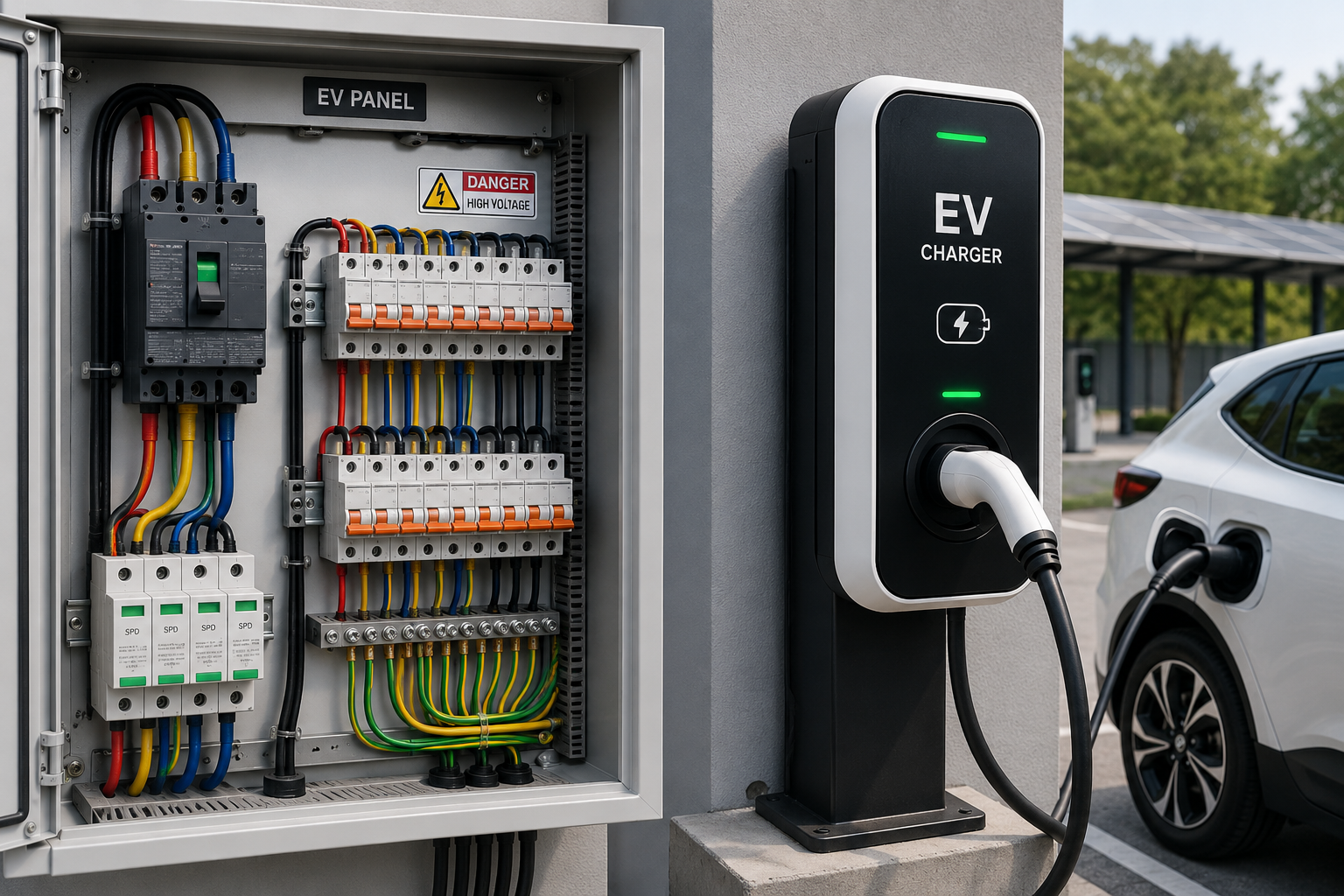
Electric vehicles are changing the way homeowners think about everyday transportation. While public charging locations can be useful during longer journeys, having access to charging at home can make daily driving much more convenient. Instead of planning routine stops around charging availability, drivers can recharge while their vehicle is parked at home.
For this reason, more homeowners are searching for EV charger installation near me when preparing for electric vehicle ownership. However, installing home charging equipment involves more than selecting a convenient location. Electrical capacity, wiring, placement, charging requirements, and future needs should all be evaluated before installation begins.
Why Home Charging Appeals to EV Owners
Convenience is one of the main reasons homeowners consider installing charging equipment. A vehicle typically spends several hours parked at home, creating a natural opportunity to recharge without adding another stop to the day.
Home charging can also make routines more predictable. Drivers can connect their vehicle after arriving home and have charging take place during normal parking periods.
For households that depend heavily on their vehicle, this convenience can simplify the transition from conventional fueling habits to electric driving.
Start With Your Daily Driving Habits
Before arranging EV charger installation near me, consider how the vehicle will actually be used. Charging requirements can differ significantly between drivers.
Someone with a short daily commute may have very different needs from a household that regularly drives long distances.
Estimate Typical Daily Travel
Think about the distance normally driven each day rather than focusing only on occasional long trips. Daily travel patterns provide useful context when determining what charging arrangement makes sense.
If more than one electric vehicle may eventually be used at the property, that should also be discussed during the planning stage.
Consider How Long the Vehicle Stays Parked
Charging does not always need to happen as quickly as possible. A vehicle parked overnight may have several hours available for charging.
Understanding typical parking duration can help homeowners make practical decisions rather than assuming maximum charging capability is always necessary.
Can Your Existing Electrical System Support Charging?
This is one of the most important questions to answer before installation.
EV charging equipment can represent a significant electrical load. The existing electrical system should therefore be evaluated to determine whether it can appropriately accommodate the additional demand.
An electrician may review panel capacity, existing household loads, available circuit space, wiring requirements, and the proposed charger location.
Homeowners searching for EV charger installation near me should consider this assessment an essential part of the planning process.
Choosing the Best Installation Location
Convenient placement can make everyday charging much easier.
Think About Where You Normally Park
The charging location should work with the property’s normal parking arrangement. Garages, driveways, and designated parking areas may each present different installation considerations.
Cable reach and accessibility should be considered so that connecting the vehicle remains straightforward.
Plan for Possible Parking Changes
Homeowners sometimes focus exclusively on where their current vehicle parks. However, future vehicles may have charging ports in different locations.
Thoughtful placement can provide additional flexibility and reduce inconvenience if parking arrangements change later.
Consider the Installation Environment
Indoor and outdoor locations may involve different electrical and physical requirements. The surrounding environment, accessibility, and route for electrical wiring should all be evaluated before determining the final installation point.
What Happens During Professional Installation?
The exact process depends on the property’s electrical configuration and the charging setup being installed.
Generally, an electrician begins by reviewing the electrical system and confirming the requirements for the charging equipment. A suitable circuit and wiring arrangement can then be planned.
The installation must account for electrical load, connections, circuit protection, and applicable electrical requirements.
A qualified local EV charging electrician can evaluate these factors while considering the property’s existing electrical infrastructure and the homeowner’s charging habits.
Should You Plan for a Second Electric Vehicle?
Even if a household currently owns only one electric vehicle, future transportation plans are worth considering.
A second household vehicle may eventually become electric. Alternatively, a future homeowner or family member could have different charging requirements.
Discussing these possibilities while researching EV charger installation near me can help determine whether any practical preparation should be included during the initial electrical work.
Future planning does not necessarily mean installing more capacity than needed. Instead, it means considering foreseeable changes before making decisions that may be difficult to modify later.
Avoid Common Home Charging Planning Mistakes
A few simple planning mistakes can create unnecessary inconvenience.
One is choosing the installation location without considering how the vehicle parks. Another is assuming the electrical panel can support additional demand without having it evaluated.
Homeowners may also overlook the distance between the electrical panel and proposed charging location. Wiring routes and property layout can influence how an installation should be approached.
Finally, focusing exclusively on charging speed can distract from more practical factors such as daily driving distance and available charging time.
Questions to Ask Before Installation
When arranging EV charger installation near me, provide the electrician with information about the vehicle, normal driving habits, parking location, and possible future needs.
Ask whether the existing electrical system has appropriate capacity and whether any related electrical modifications should be considered.
It can also be helpful to discuss where the charging equipment will be positioned and how the wiring will reach that location.
Making Home EV Charging Work for Your Routine
Home charging should make electric vehicle ownership simpler, not more complicated. The most effective setup is one planned around the property’s electrical capabilities and the driver’s actual routine.
When searching for EV charger installation near me, start with a professional electrical assessment and think carefully about daily driving, parking habits, equipment location, and future vehicle plans.
With thoughtful preparation, home charging can become a convenient part of everyday life, allowing drivers to make better use of the hours their vehicle already spends parked at home.
 john
john