

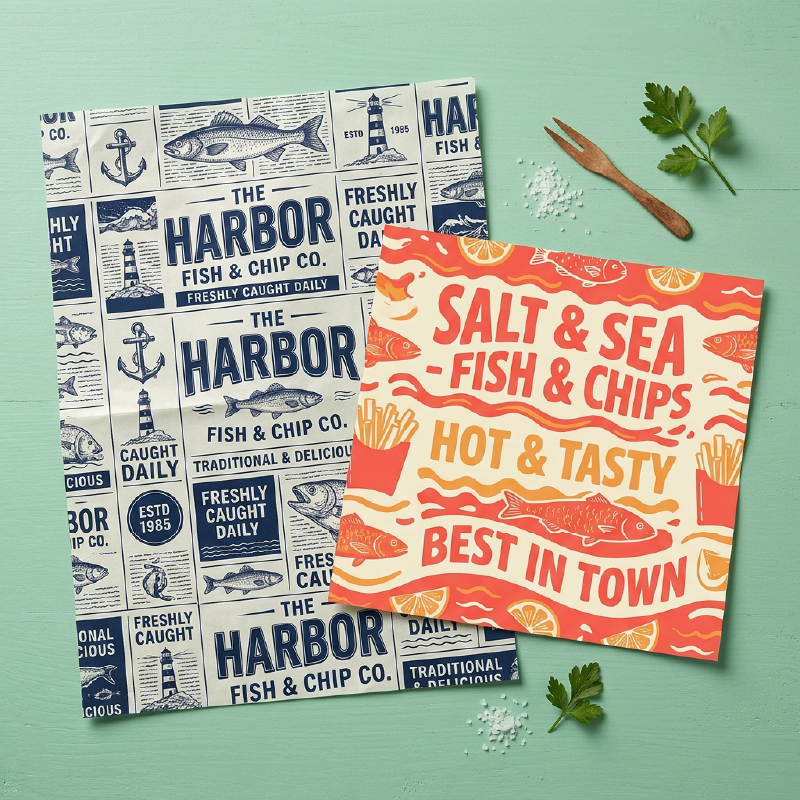
Custom Fish and Chip Paper gives fish and chip shops a simple way to serve food in neat and practical packaging. It helps keep fried food together and gives customers a cleaner way to enjoy a takeaway meal. The right paper can also make a food counter look more organized without adding extra work for staff.
From small local shops to busy takeaway restaurants, this packaging has a useful place in daily service. Paper quality matters because fried food can release oil and steam. A suitable material can help manage grease while keeping the food easy to handle.
Food Service Basics
Fish and chips are popular takeaway foods that need practical packaging. Hot chips can release oil while fried fish may leave moisture on the paper. Ordinary wrapping materials may not offer the right level of grease resistance. That is why Custom Fish and Chip Wrapping Paper deserves attention when a shop chooses its food packaging. The paper should suit the type of food and the way it is served. A good choice can make meals easier to carry and help keep serving trays and counters cleaner throughout a busy shift.
The size of the sheet matters as well. Small portions may need compact paper while family meals can require larger sheets. A suitable size helps staff wrap food without wasting material. The paper should also feel comfortable to handle and remain practical during regular service. When these details receive attention, the packaging becomes a useful part of the customer experience rather than an afterthought.
Grease Control
Fried food often releases oil soon after it leaves the fryer. This can affect the appearance of the package and make the meal harder to handle. Custom Greaseproof Fish and Chip Paper is designed for food service where grease resistance is important. Its suitability depends on the material and its intended use. Food businesses should check product specifications before choosing paper for hot and oily meals. Grease resistance does not mean that every sheet will prevent all oil marks. The correct grade can still help improve everyday food handling.
Steam is another factor worth considering. Freshly cooked fish and chips release heat and moisture inside a closed package. If the packaging traps too much steam, the coating may lose some of its crisp texture. A practical wrapping method allows the meal to remain easy to serve while reducing unnecessary mess. Paper choice should match the food preparation method and the expected time between cooking and eating.
Brand Presentation
Food packaging can communicate a brand without the need for extra signs or expensive decorations. A printed sheet with a clear business name can help customers recognize a takeaway shop. Custom Printed Fish and Chip Paper allows a business to place selected artwork on packaging that already serves a practical purpose. The design may include a logo or a simple pattern that reflects the shop style. Clear printing is often more useful than a crowded design because it keeps the packaging neat and readable.
Ink and material suitability deserve attention before a print order is placed. Food contact requirements must remain a priority, and any printing process should suit the intended application. The artwork should also fit the sheet dimensions without hiding important details in folds. A well-planned design can create a consistent look across takeaway orders and dine-in service. The paper remains useful while the printed surface gives the packaging a recognizable appearance.
Logo Placement
A business logo can make food packaging easier to identify. It can also connect the paper with menus and other brand materials. Custom Fish and Chip Paper with Logo is a practical option for shops that want a consistent appearance across their service. The logo should remain clear at the size used on the sheet. Fine details may become difficult to see if the artwork is too small or too complex. A simple layout can work well on both small food wraps and larger serving sheets.
The position of the logo matters because paper is often folded around food. Artwork near an edge may disappear inside the fold. A repeated pattern can provide more consistent visibility when the sheet is wrapped in different ways. Before production, a sample can help confirm that the print looks suitable on the actual material. This small check can reduce design problems and support a more reliable result when the full order arrives.
Material Selection
Paper quality affects how the package feels and performs during service. Thin sheets may suit light portions while heavier options can be useful for larger meals. Custom Fish and Chip Packaging Paper should be selected according to the food type and the conditions in which it will be used. Grease resistance and food contact suitability are important points to review. The appearance of the paper matters too because customers often notice the packaging as soon as a meal reaches the counter.
Some businesses prefer plain paper because it keeps the presentation simple. Others choose printed sheets to create a recognizable look. Neither option suits every shop because portion sizes and service methods can differ. A takeaway counter with fast service may need sheets that staff can separate quickly. A restaurant that serves meals on trays may use larger sheets for presentation. The best material is one that supports the actual service routine without creating extra waste or unnecessary handling.
Order Planning
Ordering packaging requires a clear idea of daily demand. A shop with steady sales may benefit from a larger order, while a new business may prefer a smaller quantity until its needs become clearer. Custom Fish and Chip Paper Wholesale can suit businesses that use paper regularly and want to plan their stock. The final cost depends on the quantity and material specifications. Printing requirements and delivery charges may also affect the total price.
Storage is another part of order planning. Paper should remain in a clean and dry place away from dust and moisture. A suitable storage area helps protect unused sheets until they are needed. Businesses should also consider available shelf space before ordering large quantities. A low unit price may not be useful if the order takes too long to use or creates storage problems. Careful planning helps balance cost with practical needs and reduces the chance of running out during busy periods.
Local Supply Options
Food businesses often look for suppliers that understand local delivery needs and packaging requirements. For buyers who source products in the American market, Custom Greasepaper Canada can be a useful search term when comparing domestic suppliers. Local availability may affect delivery times and shipping costs. However, the location of a supplier alone does not guarantee that a product meets food safety requirements. Material details and intended use should always be confirmed before an order is approved.
Supplier communication can make the purchasing process easier. Clear information about sheet dimensions and paper weight helps prevent misunderstandings. Buyers should also ask about print options and whether samples are available. Delivery schedules deserve attention when packaging forms part of daily food service. A dependable supply plan allows shops to maintain their normal routine without last-minute changes. Comparing the full offer is more useful than choosing a supplier based only on the lowest quoted price.
Flexible Quantities
New food businesses may not know how much packaging they will need each month. Seasonal demand and changes in menu items can also affect paper use. Custom Fish and Chip Paper No Minimum is a phrase buyers may use when searching for suppliers that accept small orders. Actual minimum quantities depend on the supplier and the production method. A smaller order can help a business test a design before it commits to a larger quantity. It may also suit a pop-up food stall or a business with limited storage space.
Small orders can have a higher cost per sheet because setup and printing costs are spread across fewer units. For that reason, the total order price should be checked alongside the minimum quantity. A sample order can still be useful when the main goal is to assess print quality or paper performance. Once demand becomes more predictable, the business can compare larger orders and decide whether bulk purchasing offers a practical saving.
Personal Design Choices
Packaging does not need an elaborate design to look professional. A clear colour scheme and readable brand name can create a tidy appearance that suits a fish and chip shop. Personalized Fish and Chip Paper gives businesses room to choose artwork that matches their identity. Some may use a traditional design while others may prefer a modern pattern. The final choice should remain suitable for food service and should not interfere with the practical use of the sheet.
Design consistency can also help customers connect the packaging with the business. The same visual style may appear on takeaway bags and menu materials. This does not mean every item needs identical artwork. Small changes can suit different packaging sizes while keeping the overall appearance familiar. A simple proof review helps check spelling and logo placement before production. With the right balance, the paper can support brand recognition without distracting from the meal itself.
Conclusion
Custom Fish and Chip Paper is a practical choice for food businesses that need packaging for hot and oily meals. The right paper can help manage grease and support cleaner food service. Material quality and sheet size should match the menu and serving method. Printed designs can add a recognizable look without making the packaging complicated.
Order quantities should also reflect daily demand and available storage space. Before a purchase, businesses should confirm food contact suitability and review the supplier specifications. Careful selection helps create a better balance between useful packaging and attractive presentation while keeping everyday service simple and organized.