

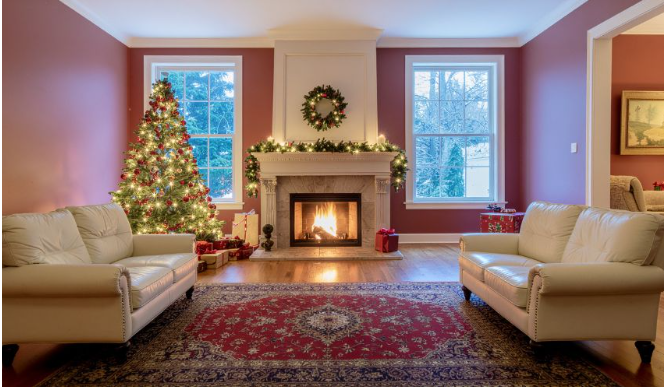
Consumer insight is transforming the design, furnishing and experience of the home. Consumer demand for luxury home decor no longer equates to the traditional notion of high-end markets defined by costly materials, ornate fittings or conventionally opulent stylings. Consumers are seeking their homes to be both beautiful and functional, expressive and innovative, sustainable and technological as they develop a new appreciation and appreciation for the home. The global home decor market was valued at USD 820.00 Billion in 2025. The market is anticipated to grow at a rate of 4.80% CAGR during 2026-2035 and reach USD 1310.47 Billion by 2035. The luxury home decor is expected to transform along with changed lifestyles and buying patterns as well as expectations associated with affluent living.
Personalisation Is Becoming Central to Luxury Interiors
A major evolution in luxury home decor is the rise of one-off spaces. High-end buyers are moving away from interior design that embodies a hot trend and more towards spaces that are a true expression of themselves. Unique pieces, custom furniture and lighting, specialised fabrics and one-off artefacts are, for these reasons, becoming much more important. Another example of how tech is helping is in the area of personalisation. Before purchasing, consumers are able to examine various material types, finishes, configurations and combinations of colours through the use of digital platforms. This allows interior designers and premium brands to provide more personalised offerings and lessen the buyer’s discomfort. This push for individualism is likely to work in favour of craftsmanship. Consumers are becoming less focused on buying a product just because it has a certain “brand” label on it, but instead want to know more about the story, material, manufacturing process and craftsmanship.
Sustainability Will Redefine Premium Design
Sustainable furniture and decor choices are playing a greater role in consumers purchasing. High-net-worth consumers are purchasing more products made from fair-trade, recycled, natural fibres or environmentally friendly manufacturing. This is not a case of having to sacrifice on appearance. Designers are learning how to bring together sustainable products with elegant finishes and fine craftsmanship. Reclaimed wood, natural stone, organic fabric, recycled metal, as well as sustainably produced decorative products, all have a role to play in luxury interiors. Sustainability Consideration in Household Durability represents another factor of sustainable luxury. We might see a consumer trend where people are potentially more willing to invest in beautiful furniture and decor that they will enjoy for years to come, as opposed to cheap pieces that need to be replaced regularly. This could push brands toward offering more durable, long-lasting products.
Smart Technology Is Entering Luxury Living Spaces
Technology: A new dimension has been added to luxury interiors. We are now in the age of ‘Smart’ technology with integrated, energy-saving lighting, automated curtains, climate control, integrated security systems, connected appliances and entertainment sources all becoming a feature of the modern luxury home. But, for luxury consumers, technology should be more “integrated” into the interior. This trend is prompting manufacturers and designers to create products that are both functional and visually refined. The smart home With smart lighting, owners can change the brightness or colour temperature of lights throughout the day. Automated home systems that include temperature control, lighting and blinds can be operated from a mobile device or voice activated. With tech and automation becoming more sophisticated, the presence of these features in a luxury home is also expected to become more discreet.
Natural Materials and Biophilic Design Are Gaining Momentum
Contemporary luxury interiors are also leaning more towards warmer and more organic designs. Following several years of glitzy, showy and stylised interior designs, there is now a huge demand for a living space that makes one feel relaxed, at home, and in touch with nature. Materiality can also provide a richer texture, tactile quality and warmth to the interior via natural wood, stone, linen, wool, bamboo, ceramics and other organically textured materials. Light, vegetation, gardens, water, as well as the colour of nature, are some of the new furniture of the new homes. Crucially, this is evolving in conjunction with biophilic design, which emphasizes the integration of natural features into a space. The amenity is both aesthetic and reassuring for the owner, who values comfort and health.
Experiences May Matter More Than Traditional Status Symbols
A more experience-oriented mindset More and more, consumers want to make their lives more luxurious. For the home, they are looking for interior furnishings that help them relax, entertain and feel well. Wellness rooms, private cinemas, home gyms, wine cellars, spa bathrooms, outdoor kitchens and luxury entertainment rooms are just a few ways home design has moved toward a new – and very experiential – dimension. Design elements are now being chosen more so to enhance the user’s experience of a space than simply give a room a stylish look. This could result in increased partnership between Interior designers, Architects, Technology companies and Lifestyle brands. The luxury Home of the future may be a seamless space where design, technology, wellness and entertainment all integrate.
Digital Platforms Are Changing How Luxury Decor Is Purchased
As e-commerce and digital discovery continue to evolve, this is redefining the home decor buying process for luxury. Premium furniture, lighting, artwork, textiles, accessories – shoppers can learn about brands that span the globe without ever having to step foot inside a store. Design standards are dictated by social media The imagery of luxury spaces and environments can easily present new styles, materials, designers and products to consumers. Short-form video content, virtual tours, augmented reality and 3D visualisation tools can make it easier for the consumer to imagine how things might look in their homes. What about physical experiences? They will still hold a valuable place in luxury shopping, even as shopping goes digital. Customers buying at the top end of the scale typically want to feel the textures, examine quality and examine items closely before buying – it’s therefore predicted that their mix of shopping experiences will still include the physical.
Changing Demographics Will Create New Luxury Preferences
Changing Demographics Also impact the luxury home decor market. Younger consumers from the Affluent Generation are entering the market with the luxury home decor expectations of previous generations, but with increased concerns for sustainability, authenticity, technology, individuality and ethical manufacturing. Meanwhile, consumers who are already experienced buyers of luxury will still be attracted to the craftsmanship, legacy, exclusivity and high quality material associated with old world luxury. This presents a challenge for brands to meet new consumer needs while preserving existing perceptions of luxury. Different generations could also have different interior preferences: more flexible multi-use spaces, multifunctional pieces of furniture, a minimal style, and designs supported by connectivity could be among today’s young groups’ preferences, while other groups may prefer classical furniture and traditional decoration. It will be key for brands to offer a broad enough portfolio to cater to these segments without compromising their premium positioning.
The Role of Craftsmanship Will Remain Important
It will be interesting to see whether these new technological options have an impact on craftsmanship, as it seems that craft will continue to play a role in home décor, even if rapidly developing technology opens up new avenues. Artisanal furniture, handcrafted ceramics, handwoven textiles, bespoke lighting and collectible art objects have the potential to add a feel of authenticity that the otherwise normed products struggle to replicate. This may provide excellent opportunities to luxury brands if the current market for contemporary products evolves in that direction. The focus might rather divert from showcasing wealth towards being with taste, being original and money’s worth.
What Lies Ahead for Luxury Home Decor?
The future of luxury home decor will be defined by personalisation, sustainability, technology, craftsmanship and lifestyle changes. People will become much more choosy about what they allow into their home and will want these offerings to add value in more than a visual way. According to Expert Market Research, the overall house decor market will grow from USD 820.00 Billion in 2025 to USD 1310.47 Billion in 2035. Industry Growth in the World House Decor Market will still depend on the changing demand of consumers as well as others’ expenditure in the house and following industry growth. Luxury Decor Brands Should Meet the Demand of Consumers.In the end, interiors defined by excess will no longer be considered luxury. The new luxury design experience will focus on more meaningful details such as comfort, craftsmanship, sustainability, technology and people, to help define who you are in the spaces that you live in.
Author Bio
Satiyam Kumar is a digital marketer and SEO expert with around three years of experience in SEO, content strategy, and digital marketing. He currently works at Expert Market Research, where he focuses on search engine optimization, content development, keyword research, and strategies to improve online visibility and organic growth. His expertise includes on-page SEO, content optimisation, link building, and search performance analysis.