

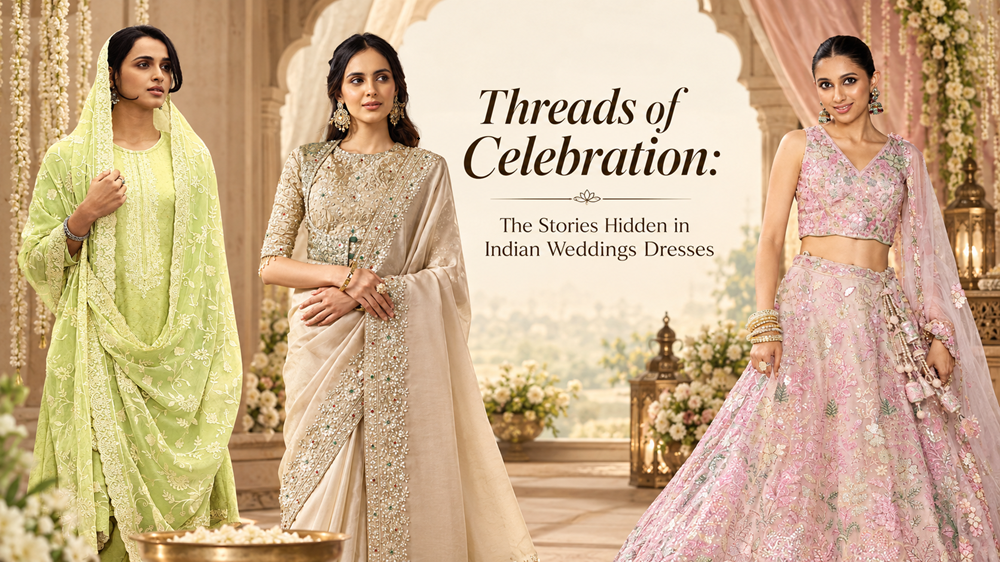
Indian weddings are often remembered for their colors, music, food, and those, yeah, unforgettable celebrations—but honestly, fashion is one of the most expressive parts of the whole experience. More than pretty garments, Indian dresses can also stand in for family traditions, regional craftsmanship, personal vibe, and this real feeling of joy in bringing generations together, even when everyone is arguing about who sits where.
Discovering Indian fashion can be surprising in a good way. An Indian sari can give you an elegant, timeless look, while an Indian lehenga adds drama with that flowing skirt, careful embroidery, and a statement blouse that steals the entire moment. And then there are churidar suits, which feel graceful and flexible, for everything from wedding ceremonies to festive meetups, birthdays, and whatever else is happening that weekend.
But what actually makes these outfits so meaningful? Their stories go way past fabric and embroidery.
What Makes the Indian Sari Such a Timeless Classic?
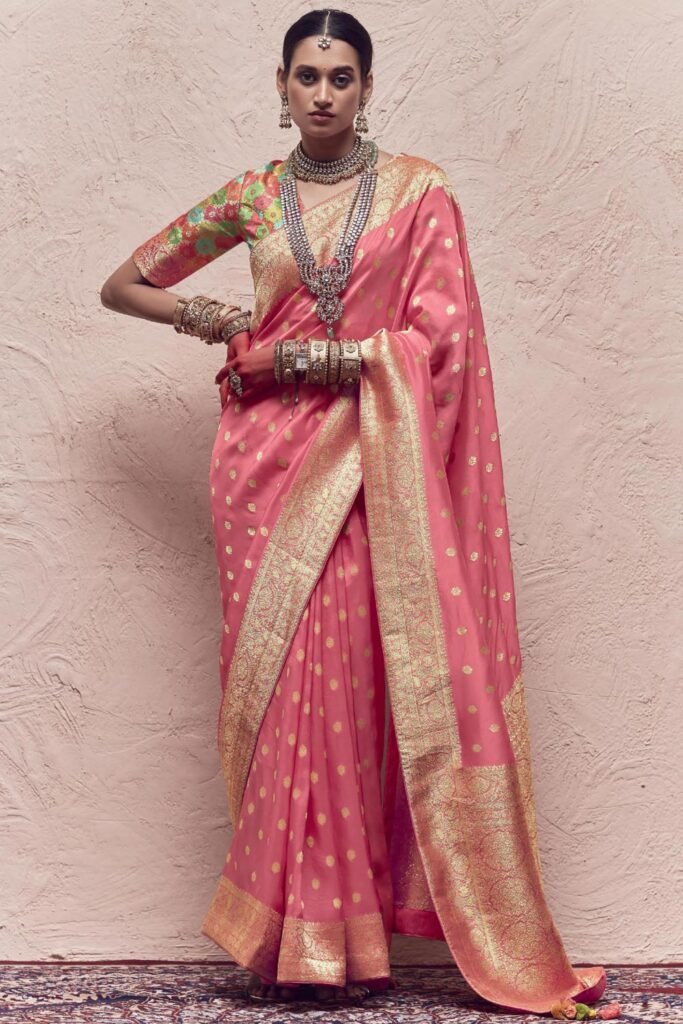
Not many outfits are as instantly recognizable as the Indian sari. Traditionally, it’s basically a long fabric draped around the body, but it can end up looking almost totally new depending on the fabric, the way it’s laid and pinned, the border work, embroidery, and even how someone finishes the styling at the end.
A silk sari might give you that rich wedding vibe, while lighter materials can be the better option for daytime celebrations. If it’s embellished, it can bring that sparkle right into evening receptions, and modern takes can feel sleek and really fashion-forward.
And honestly, the Indian sari keeps staying popular because it can hold onto tradition but still leaves room for individual expression. Same basic garment, very different results, so the wearer can make the whole look feel personal, not copied.
Why Has the Indian Lehenga Become a Global Fashion Favorite?
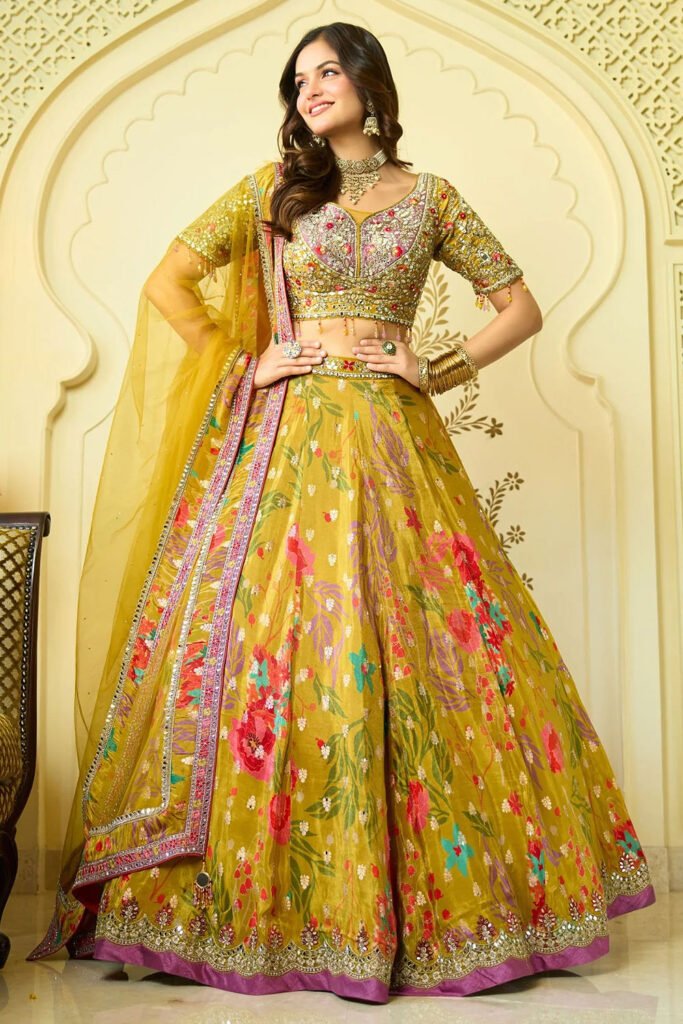
The Indian lehenga is now one of the most recognizable picks for Indian weddings, especially for brides and also for guests who want something that reads as a statement, not just “nice.”
Usually it’s built around a flared skirt, a fitted blouse, and a matching dupatta. Because it’s designed with those parts, it gives space for creativity. Designers can play with embroidery, sequins, metallic accents, bold prints, fabric textures, and different silhouettes… while still keeping that traditional structure underneath it.
For many women, the lehenga can feel like a strong alternative to a standard evening gown. It brings that formal glam but then adds movement, detailed craftsmanship, and a cultural silhouette that’s unmistakable.
So, a heavily embellished lehenga can be perfect for a big evening wedding, but a lighter version might work more naturally for engagement parties, mehndi moments, or events that happen in daylight, with less heavy drama.
Where Do Churidar Suits Fit Into Indian Wedding Fashion?
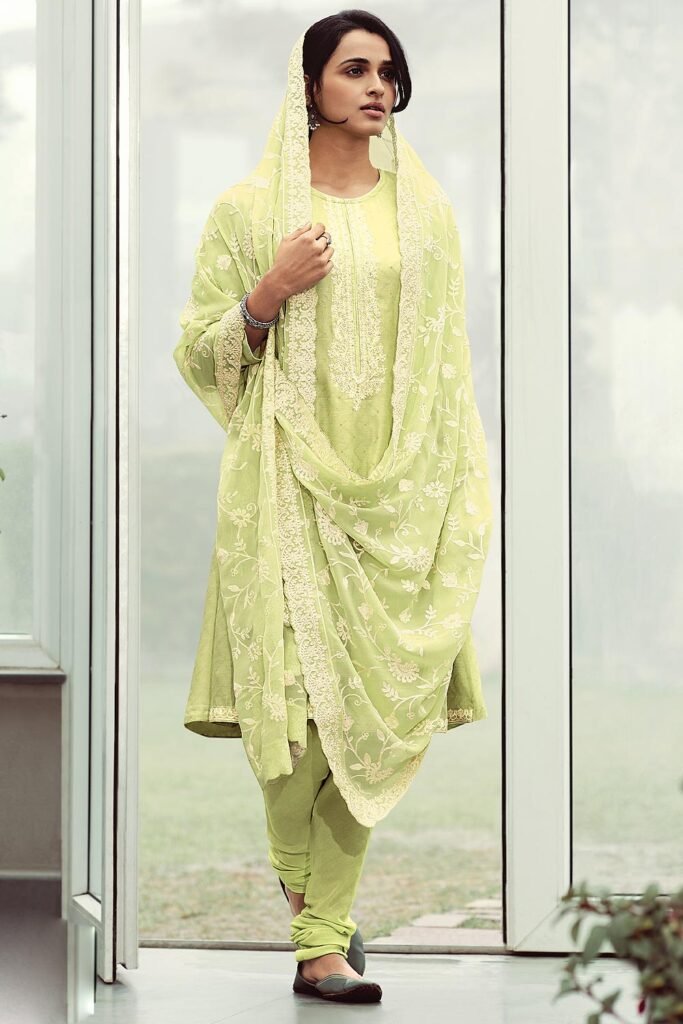
“Not every wedding outfit has to do this big dramatic thing. A classic churidar suit feels like a more sophisticated choice, especially if you like something comfortable yet still flexible in style, somewhat laid-back but still neat.
A timeless churidar set usually brings together a longer tunic or kurta, fitted trousers, and a dupatta. But modern versions can go from fairly simple and elegant to quite rich and embellished looks that show up for festive nights and bigger functions.
For wedding guests, churidar suits are often a smart option, because you can move around more easily without losing that polished look. They can work for ceremonies, family get-togethers, cultural events, or even the pre-wedding celebrations that start weeks before.
And honestly, that adaptability is also why they’re a good first step into Indian fashion if you’re not totally familiar with traditional clothing yet.
How Do Indian Dresses Tell Regional Stories?
One of the most interesting things about Indian dresses is that this term covers a huge range of regional customs.
Even small details—like textiles, embroidery skills, weaving patterns, color palettes, or the overall silhouette—can change a lot from one area of India to another. A sari linked with one region might look completely different from one that’s been traditionally worn in another place.
The same difference shows up in wedding wear too. Some communities lean toward distinctive bridal styles, while others might prefer certain colors, particular jewelry, specific fabrics, or embroidery styles.
So yeah, Indian fashion isn’t one single trend. It’s more like a collection of traditions that have kept growing over centuries but still keep shaping contemporary designers today.
How Are Traditional Indian Wedding Dresses Becoming More Modern?
Today’s Indian wedding dresses aren’t really stuck in old ideas or historical designs. Designers are always trying to rework the familiar so it fits modern lives better.
You might see a classic sari matched with a more contemporary blouse, not just the same usual pairing. A lehenga could have minimalist embroidery instead of those heavy, very detailed embellishments. Even churidar suits are getting updates, with cleaner lines, unusual fabrics, or contemporary prints that feel fresh.
And what makes this shift so interesting is that it doesn’t always feel like “abandoning tradition.” It can be more like modern fashion takes what people already recognize and then presents it in a way that feels relevant to a new generation of guests, brides, and families.
For American shoppers and wedding guests, that means you get a lot to choose from. You can pick something close to traditional outfits for cultural celebrations. Or you can go for fusion styles, where Indian craftsmanship shows up alongside more contemporary Western aesthetics.
Why Will Indian Wedding Fashion Continue to Inspire?
Indian wedding fashion keeps pulling people in because it blends beauty with meaning, not just decoration. An authentic Indian sari can carry generations of craftsmanship. A regal Indian lehenga can turn a whole celebration into a real visual spectacle. Churidar suits can bring together comfort, elegance, and that long-held sense of tradition.
But honestly, the bigger point is that Indian wedding dresses tell stories. They talk about family, celebration, artistry, regional heritage, and also how fashion ideas keep changing over time.
For someone living outside India, discovering this world, that might be the most exciting part. Indian fashion isn’t only something to admire from far away. It’s a way to explore craftsmanship and culture while still finding a style that feels personal, like it actually belongs to you.
After all, the most memorable clothes don’t just make us look good. They give us something to remember, even later.