

Introduction
Ever stared at seven letters in a honeycomb and felt completely stuck? You’re not alone. The NYT Spelling Bee looks simple until you’re twelve minutes in with only four words found and no idea what the pangram could possibly be. That’s exactly the gap https://todayspellingbeeanswers.com/ fills — a straight answer key for anyone who wants the full word list without digging through forums or waiting on a slow-loading app.
This piece walks through how the puzzle actually works, why the pangram matters so much, and how a word-by-word answer explanation helps you learn the game instead of just copying results. Whether you’re chasing Genius rank for the first time or you’ve been stuck at “Amazing” for weeks, understanding the mechanics behind each valid word makes the whole thing click.
How the Puzzle Is Built
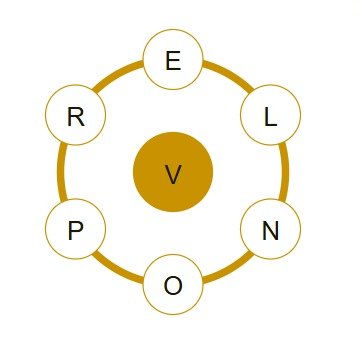
Before any answer list makes sense, you need to understand the shape of the puzzle itself. The NYT Spelling Bee hands you seven letters arranged in a honeycomb, and one of them — sitting right in the middle — has to appear in every single word you build. That center letter isn’t optional. Miss it, and even a real English word won’t count.
Words must run at least four letters long. Letters can repeat inside a word as often as needed, so a four-letter grid can still produce words like “till” or “fill” if the letters allow it. The board resets daily at 3:00 AM Eastern, which means yesterday’s grind is gone and a fresh set of letters greets you each morning. It’s published by the New York Times, and its honeycomb format has stayed the same since it first launched, which is part of why it’s built such a loyal following.
Why the Pangram Changes Everything
Here’s the thing that trips up almost every beginner: not knowing what a pangram even is until they’ve already spent ten minutes on the puzzle. A pangram is a word that uses all seven letters at least once — and finding it isn’t just satisfying, it’s worth seven bonus points stacked on top of whatever the word would normally score.
Say the puzzle scores four-letter words at one point each, and anything five letters or longer earns points equal to its length. A seven-letter pangram, then, could be worth fourteen points on its own — seven for length, seven for the bonus. That single word can be the fastest jump from “Good” to “Amazing,” or from “Amazing” all the way toward Genius. Most days carry exactly one pangram, though every so often the grid hides two, which genuinely surprises even long-time players.
Explaining pangrams word by word — why THIS combination qualifies and another near-miss doesn’t — is really the heart of what makes an answer breakdown useful rather than just a list to skim.
Understanding the Scoring and Rankings
Scoring feels arbitrary until you see the pattern. Four-letter words: one point flat. Five letters or more: points equal to the word’s length. Find the pangram: add seven bonus points on top. Add it all up across a full solve and you’ll see totals that can climb past 300 on a generous day.
Ranks are just checkpoints along that point total, climbing from Beginner up toward Genius and, eventually, Queen Bee — the status reserved for players who’ve found every single valid word in that day’s puzzle. Genius is the milestone most people actually aim for, since it usually requires solving somewhere around 70% of the possible score. Queen Bee, on the other hand, demands total completion, which is a different kind of commitment altogether.
There’s also an unofficial goal some players chase called a “Bingo” — finding at least one word that starts with each of the seven letters. It’s not part of the official scoring, but it’s become a personal challenge many regulars set for themselves once Genius stops feeling like enough of a stretch.
Why a Word-by-Word Breakdown Actually Helps
Copying an answer list gets you through today’s puzzle. It doesn’t teach you anything for tomorrow. A word-by-word explanation — grouping answers by length, flagging which one is the pangram, and noting the odd or less-common entries — helps you start recognizing patterns in your own solving. You’ll notice how many four-letter words hinge on a handful of common suffixes, or how often the center letter shows up in unexpected combinations you wouldn’t have guessed.
That’s really the difference between “checking the answer” and getting a little sharper at the game itself. Over weeks of doing this, players often report needing the answer key less, not more — which, honestly, is the whole point.
FAQs
What is a pangram in the Spelling Bee?
A word using all seven of the day’s letters at least once. It earns the normal word score plus a seven-point bonus. Most puzzles have one, occasionally two.
How is the NYT Spelling Bee scored?
Four-letter words earn one point. Words of five letters or more score points equal to their length. Pangrams add seven bonus points.
What does Queen Bee mean?
It’s full completion — every valid word in that day’s puzzle found. It sits above Genius, which most players treat as the realistic top target.
When does the puzzle reset?
Every day at 3:00 AM Eastern, with a brand-new set of seven letters.
Is the Spelling Bee free to play?
Playing on the official Times site needs a Games subscription. Answer pages that publish the daily word list are free to check.
Conclusion
The Spelling Bee rewards patience more than raw vocabulary. Once you understand why the pangram matters, how scoring actually adds up, and what separates Genius from Queen Bee, the puzzle stops feeling like guesswork and starts feeling like a game you can actually improve at — one honeycomb at a time.