

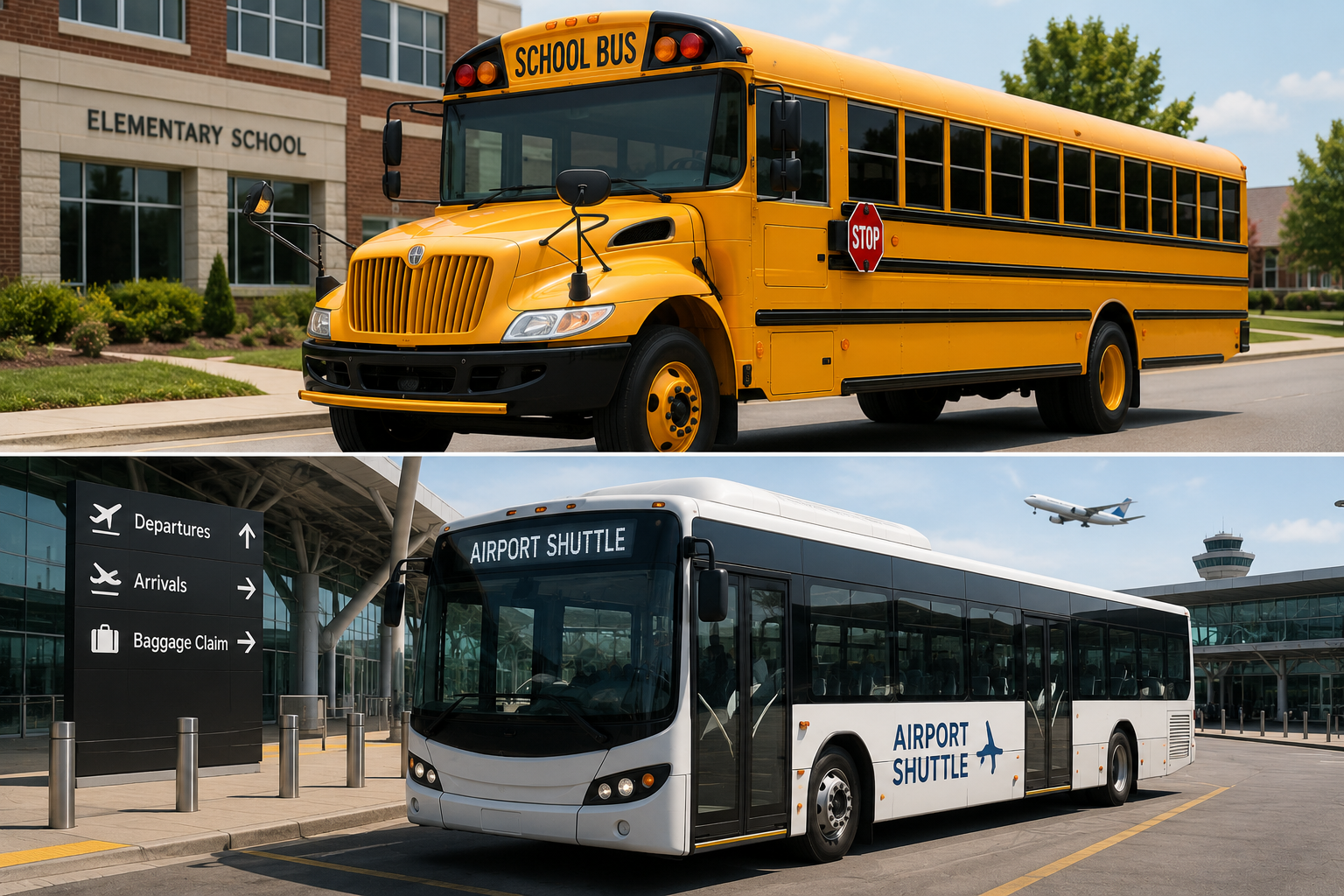
Moving students from one location to another requires much more than choosing a departure time. Schools, educators, trip coordinators, and organizers need to think about schedules, passenger numbers, supervision, pickup arrangements, accessibility, and communication. Well-planned School Bus Transportation can make student group travel more structured while helping everyone follow the same itinerary from departure to return.
Whether students are attending an educational excursion, athletic competition, cultural program, academic event, or another organized activity, transportation plays an important role in the overall experience. A clear plan helps reduce confusion and gives teachers more time to focus on students rather than last-minute travel arrangements.
Understanding the Role of School Bus Transportation
Student travel often involves larger groups with specific supervision requirements. Unlike individual travel, every passenger needs to arrive at the correct place and follow an established schedule.
School Bus Transportation provides a coordinated approach that can help keep students, teachers, and accompanying adults together. Organizers can establish a common meeting point, departure time, destination, and return schedule instead of managing several separate travel arrangements.
This structure is particularly valuable when an activity has fixed admission times or scheduled sessions.
Creating a Clear Passenger Plan
Accurate passenger information should be one of the first priorities. Organizers need to know how many students will attend, how many teachers or supervisors will accompany them, and whether additional passengers are expected.
Attendance lists can help teachers conduct headcounts before each departure. Dividing students into smaller supervised groups can also simplify boarding and attendance checks.
When School Bus Transportation is incorporated into the planning process early, these arrangements become easier to coordinate.
Start Planning Before the Travel Date
Waiting until the last moment can create unnecessary complications. Once the destination and approximate passenger count are known, organizers should begin developing the transportation schedule.
Consider the distance, expected traffic, boarding time, planned activities, meal periods, and anticipated return.
Traffic conditions can vary significantly throughout the day. Therefore, planners should avoid relying entirely on an ideal travel estimate.
Allow Time for Boarding
Boarding a student group can take longer than expected. Students may need to store bags, locate their assigned group, speak with supervisors, or wait while attendance is checked.
Building extra time into the itinerary can prevent these routine tasks from causing delays later.
School Bus Transportation planning should also account for the time needed to gather students at the destination before beginning the return journey.
Choose Practical Meeting Locations
An effective meeting location should be easy for students to identify and convenient for supervised boarding. Organizers should communicate the exact meeting area rather than providing only a general location.
Students and accompanying adults should also know how early they are expected to arrive.
For groups exploring student transportation options in Toronto, evaluating pickup and drop-off arrangements can be just as important as estimating the actual travel time.
Clear meeting points help reduce unnecessary movement and make attendance checks easier.
Communication Keeps Everyone Informed
Transportation plans work best when information reaches everyone who needs it. Teachers, students, parents, guardians, volunteers, and other supervisors may all require relevant details.
Important information can include departure time, expected return window, meeting location, destination, required belongings, clothing recommendations, meal arrangements, and emergency contact procedures.
School Bus Transportation details should be communicated well before departure whenever possible.
Establish a Plan for Unexpected Changes
Even a carefully organized itinerary can change. Traffic congestion, weather, event delays, or schedule adjustments may affect the expected return time.
Organizers should establish a straightforward communication process before leaving. For example, one designated coordinator can manage updates while teachers concentrate on supervising students.
Planning for unexpected situations does not mean they will occur. Instead, it helps the group respond more efficiently if they do.
Transportation for More Than Field Trips
School Bus Transportation can be relevant to many types of student activities. Educational field trips are common, but schools regularly organize transportation for other purposes as well.
Students may travel to sports competitions, music performances, academic contests, community activities, graduation events, outdoor programs, educational exhibitions, or inter-school gatherings.
Each journey presents different considerations.
Sports groups may have additional equipment. Music students may travel with instruments. Younger children may require closer supervision during boarding, while larger groups may need more detailed attendance procedures.
Recognizing these differences helps organizers create a transportation plan that matches the specific activity.
Consider Comfort and Practical Needs
Trip length can influence preparation. For a short local journey, students may need very little beyond their everyday belongings. Longer trips can require additional planning for meals, water, appropriate clothing, and scheduled breaks.
Accessibility requirements should also be identified early. If a passenger has mobility or other travel-related needs, organizers should include those considerations from the beginning rather than attempting to make adjustments shortly before departure.
Effective School Bus Transportation planning considers the needs of the entire group.
Make the Return Trip Equally Organized
The trip does not end when students arrive at the destination. Return transportation deserves the same level of preparation as the outbound journey.
Before leaving, supervisors should complete another attendance check and remind students to collect personal belongings. Organizers should also review traffic conditions and communicate significant schedule changes when necessary.
A well-managed return process helps conclude the activity in an orderly way.
Conclusion
Successful student travel depends on preparation, communication, and realistic scheduling. Accurate passenger counts, suitable meeting points, attendance procedures, sufficient boarding time, and contingency planning can make group movement considerably easier.
By treating transportation as an important part of the overall itinerary, organizers can reduce avoidable confusion and maintain a more structured travel experience. Thoughtfully planned School Bus Transportation helps students and supervisors stay organized while supporting educational, athletic, cultural, and extracurricular journeys.
 john
john