

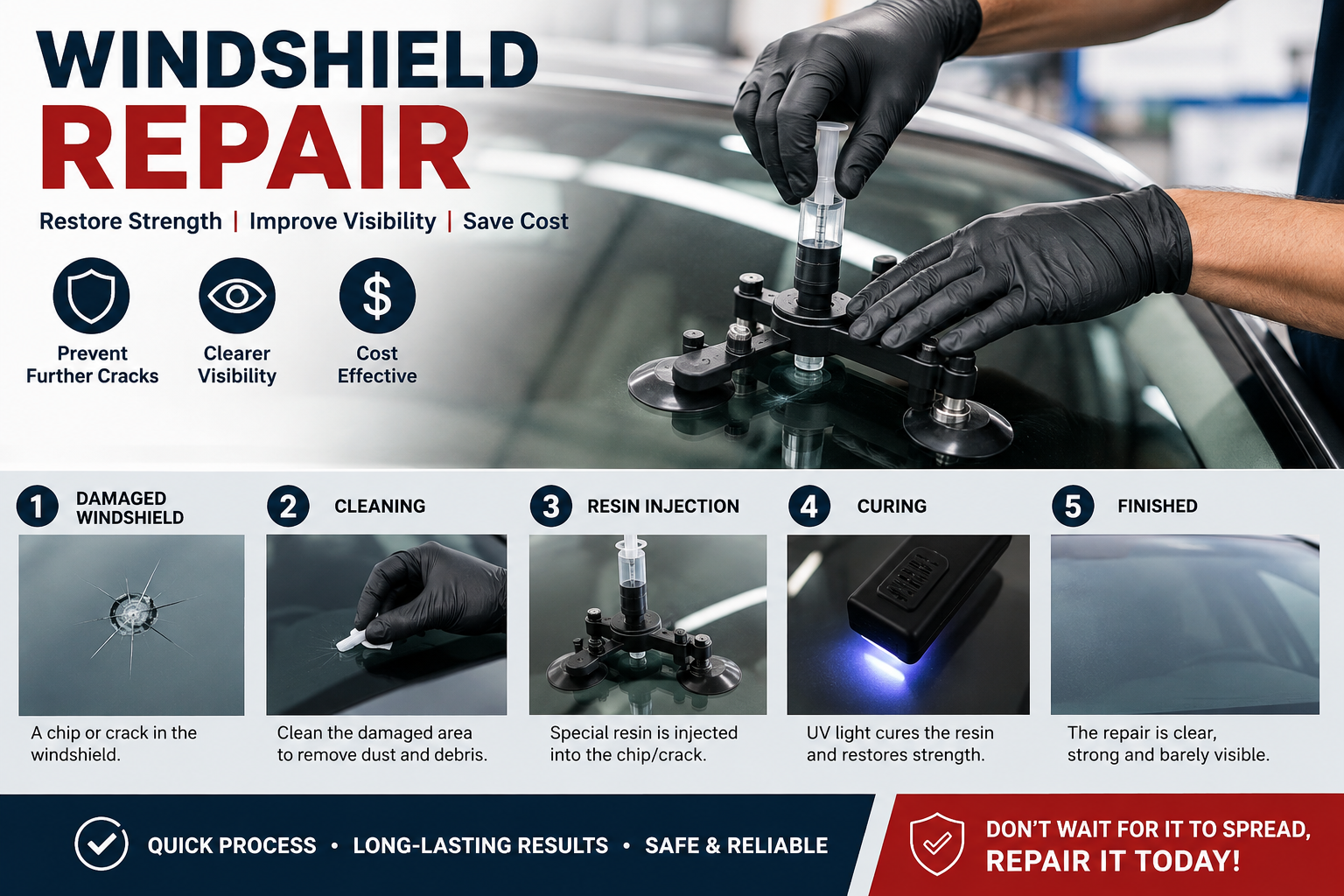
A vehicle’s glass does much more than provide a clear view of the road. The windshield and surrounding windows contribute to visibility, protection, structural support, and everyday driving comfort. Even a small chip or crack can become a larger concern when it is exposed to vibration, moisture, temperature changes, and regular road use.
For drivers dealing with damaged vehicle glass, understanding when to seek london auto glass repair can help prevent minor damage from developing into a more complicated problem. Acting early can also help maintain clear visibility and keep the vehicle ready for daily driving.
Why Auto Glass Damage Should Not Be Ignored
A tiny chip may appear harmless at first. However, vehicle glass experiences constant stress. Potholes, rough roads, sudden braking, changing weather, and normal vehicle movement can all affect an already weakened area.
Once a chip begins spreading, a short crack can quickly become longer. Damage located within the driver’s field of vision may also interfere with visibility, especially when sunlight, headlights, rain, or snow make the damaged area more noticeable.
Addressing the problem promptly is therefore about more than appearance. It is an important part of responsible vehicle maintenance.
Clear Visibility Matters on Every Drive
Drivers constantly depend on the windshield to recognize pedestrians, road signs, traffic signals, cyclists, and changing road conditions. Clear glass becomes even more important during nighttime driving and poor weather.
Cracks and chips can distort light or create distracting reflections. Although the damage might seem minor while a vehicle is parked, it may become much more noticeable behind the wheel.
Common Causes of Auto Glass Damage
Vehicle glass can become damaged in several ways. Loose gravel and road debris are common causes, particularly when travelling behind other vehicles. A small stone striking the windshield at speed may leave a noticeable chip almost instantly.
Temperature changes can also place additional stress on damaged glass. For example, rapidly heating a very cold windshield may cause an existing weak point to expand.
Other possible causes include falling branches, construction debris, severe weather, accidental impacts, and worn road surfaces.
Drivers cannot prevent every incident. However, regular inspection can make it easier to identify damage before it spreads.
When Should You Have the Glass Inspected?
Not every chip or crack develops at the same rate. Its location, depth, size, and shape can all influence what happens next.
Consider arranging an inspection when you notice:
- A new stone chip or impact mark
- A crack that appears to be growing
- Damage close to the windshield edge
- Multiple chips in one area
- Distortion in your normal field of vision
- Glass damage after a significant impact
A professional assessment can determine the condition of the affected area and identify an appropriate next step.
Why Early Attention Can Make a Difference
Waiting to see whether a chip gets worse can be risky. Vehicle movement and weather conditions may gradually place more pressure on the damaged section.
Early attention can help limit further spreading and reduce the amount of time a driver spends with compromised visibility. It also creates an opportunity to evaluate the damage while it is still relatively small.
What Drivers Can Do After Discovering a Chip
After noticing windshield damage, avoid pressing or picking at the affected area. Keeping the glass clean is useful, but aggressive scrubbing directly over a fresh chip may not be advisable.
Whenever possible, avoid dramatic temperature changes as well. Pouring hot water over an icy windshield, for example, can create additional thermal stress.
Drivers can also look for local auto glass assistance when they want a convenient way to have the damage evaluated.
Repair or Replacement: What Determines the Decision?
Whether damaged glass can be repaired depends on several factors rather than one simple rule. A technician may consider the size and depth of the damage, where it is located, whether contamination has entered the damaged area, and whether cracks have already started spreading.
Damage near the edge can sometimes require particular attention because the perimeter plays an important role in the windshield’s overall stability.
That is why visual inspection is valuable. Two chips that look similar to a driver may require different approaches after closer evaluation.
Building Better Auto Glass Habits
Drivers can reduce unnecessary risks by making glass inspection part of routine vehicle care. A quick windshield check while cleaning the vehicle or filling up can reveal small chips that might otherwise go unnoticed.
Maintaining reasonable following distance on gravel-covered or construction-heavy roads may also reduce exposure to flying debris. Likewise, replacing worn wiper blades helps prevent unnecessary scratching and supports better visibility during rain or snow.
These habits are simple, but together they can help preserve vehicle glass over time.
Conclusion
Auto glass damage is easy to underestimate, especially when it begins with a small chip. Yet everyday vibration, road debris, moisture, and temperature changes can cause minor imperfections to spread.
Checking the windshield regularly and responding promptly to visible damage can help maintain clear sightlines and support safer everyday driving. When a chip or crack appears, having it assessed sooner rather than later provides a clearer understanding of its condition and the appropriate next step.
Good vehicle maintenance includes more than tires, fluids, and brakes. Keeping the windshield and other vehicle glass in sound condition is equally important for visibility, protection, and confidence on the road.
 john
john